Wasps approaching the summer and what to expect.
Wasps approaching the summer and what to expect.
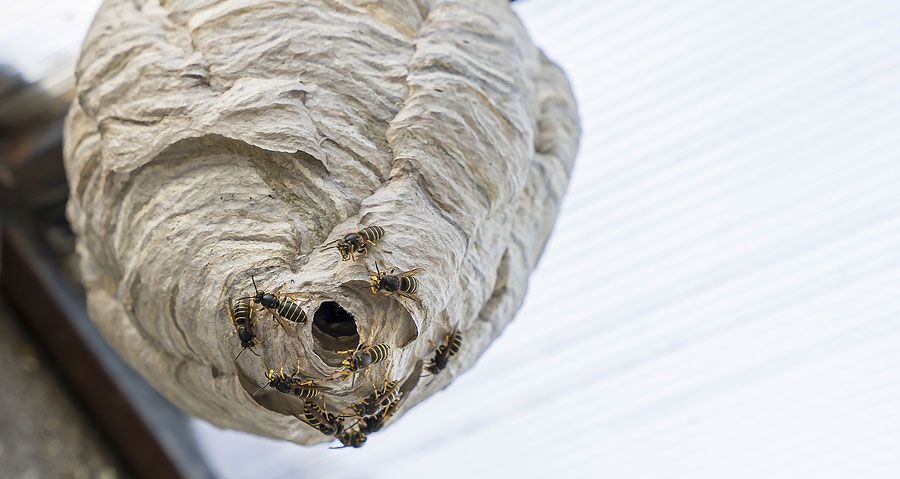
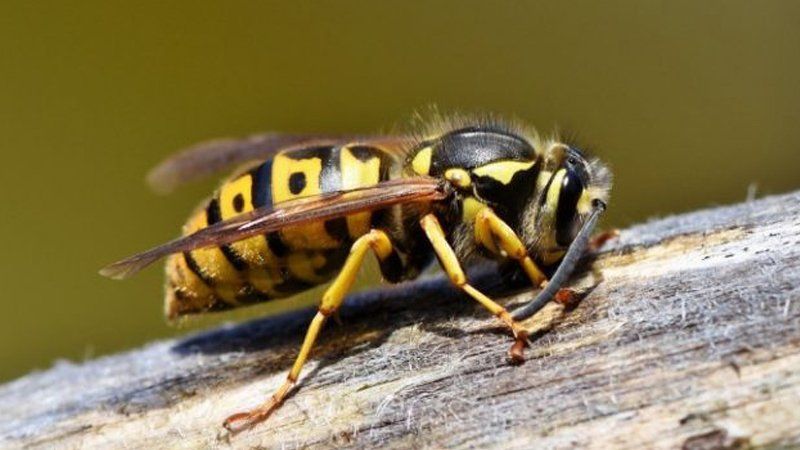
As we are approaching the summer months it is that time where we are most likely to start spotting wasps around our homes and gardens. Wasps hibernate in the winter months and only the queen will survive, she will then start to awaken and select the place she wants to start building her home and raising her family. These nests can be built in many different locations, such as underground, in bushes, sheds and outbuildings and actually inside your property – generally the cavity walls and inside your loft.
As the weeks go on and the weather gets hotter you will start to see more activity and may start to notice a constant stream of wasps coming in and out of a particular area. This would generally indicate that there is a nest very close by.
Be sure to be careful.
As we know wasps can be very aggressive if they feel threatened, we would always recommend giving them a wide birth and calling in a professional pest control company like ourselves to treat the nest safely and in a controlled manner.
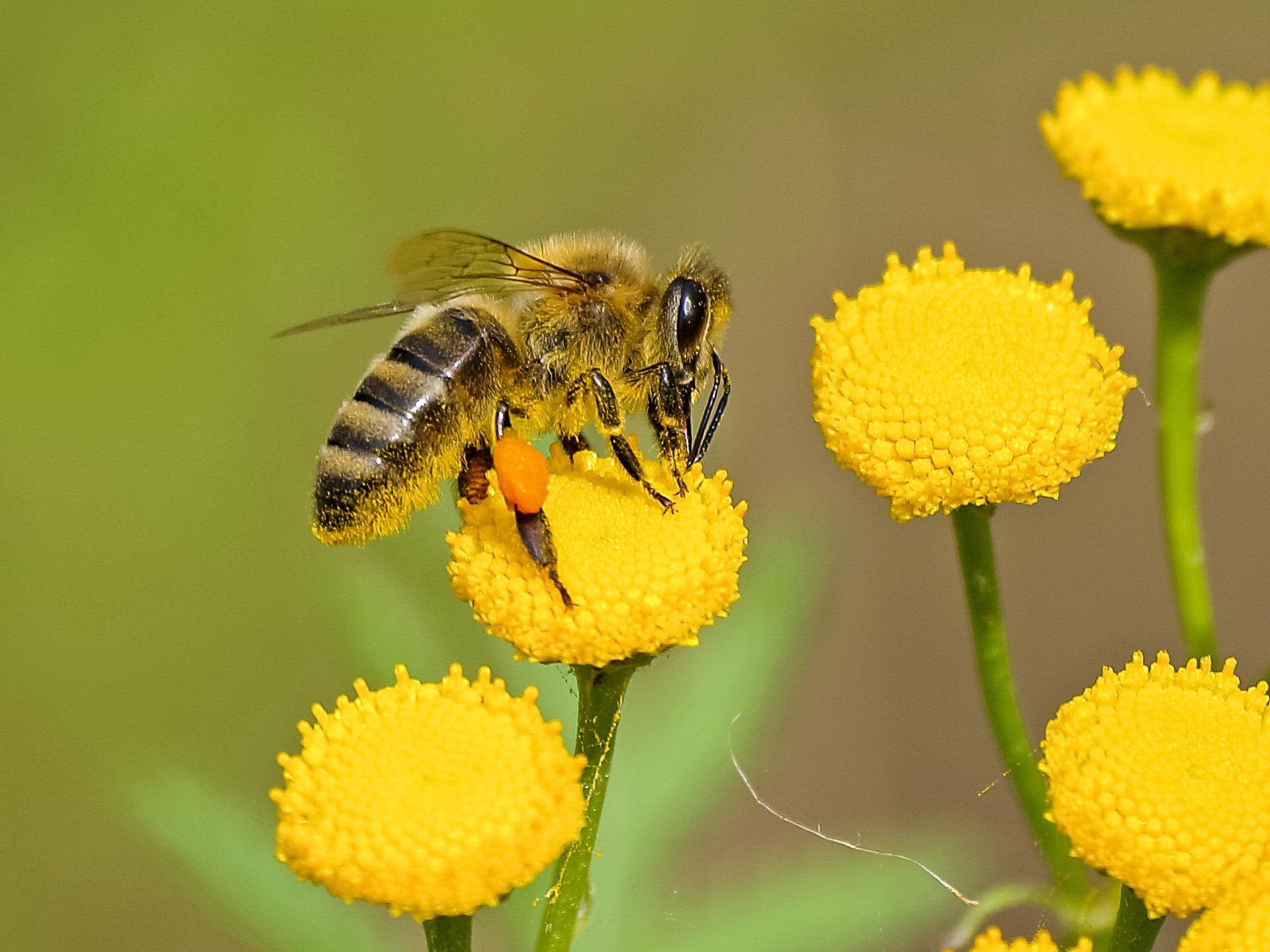
It is very dangerous to try to tackle a wasp nest yourself and can lead to you being hurt. Wasps can sting multiple times without dying, unlike bees. Wasp venom contains a mixture of chemicals, including histamine, acetylcholine, and serotonin, which can cause pain, swelling, and itching. Some people may have an allergic reaction to wasp stings, which can cause more severe symptoms, such as difficulty breathing, swelling of the face and throat, and anaphylaxis. Wasp stings can be prevented by avoiding wearing brightly coloured clothing, avoiding sweet or sugary foods and drinks, and keeping food covered when eating outdoors.
Wasp nests under construction.
At the start of the summer the nest will be around the size of an egg but will rapidly change in size as the weeks go on, leading to a typical size nest which will be the size of a football. An average size nest will typically hold around 20-25,000 wasps so when tackling any nest you are heavily outnumbered.
The nests are constructed of wood that has been stripped by the wasp using saliva and regurgitated into a pulp. It looks and feels like a paper substance which is actually very strong. The way in which they construct the nice is fascinating. After building the foundation of the nest the wasp will then create a series of hexagonal cells on the foundation. Each cell is constructed using the same mixture of saliva and wood fibres. The cells are arranged in a pattern, with each row slightly offset from the previous one.
Once the cells are constructed, the female wasp will lay an egg in each one. The eggs will hatch into larvae, which will feed on insects or other prey that the female wasp brings back to the nest. As the colony grows, the female wasp will add additional layers to the nest, with each layer containing more cells. The female wasp will secrete a protective layer over the outside of the nest, which helps to protect the colony from predators and the elements. The construction of a wasp nest can take several weeks or even months, depending on the size of the colony and the availability of resources.
Protecting the nest.
Wasp’s nest will have guards around the entry point and sometimes on the outside of the nest. Their job is to solely protect the nest from predators. The guards can identify every member of their colony. Generally speaking, when you see wasps hovering on the outside of a nest they are awaiting permission from the guards to enter.
Not only are the guards making sure that the wasp is a member of their family and that they belong to that nest, they are also checking for signs of illness, prior to allowing that wasp access inside. It is very clever how the whole process works. If the guard wasps decide that you are a threat, they will generally attack whilst leaving a pheromone on you so that all the other wasps within the nest can also attack you!
Wasps are attracted to the light. If you suspect you have a nest in the loft or the shed the last thing you want to do is to go close to the nest whilst shining a light around it. This is a sure way of getting yourself attacked, if you are in a loft there is usually only one way out!
For more information about wasp nest treatments or wasp nest removals, whether you need to have a wasp nest removed from domestic or commercial property, get in touch with a member of our knowledgeable, specialist team today - we’re always on hand to help, whenever you need us.