Bed Bugs - What Are They and What Do They Look Like?
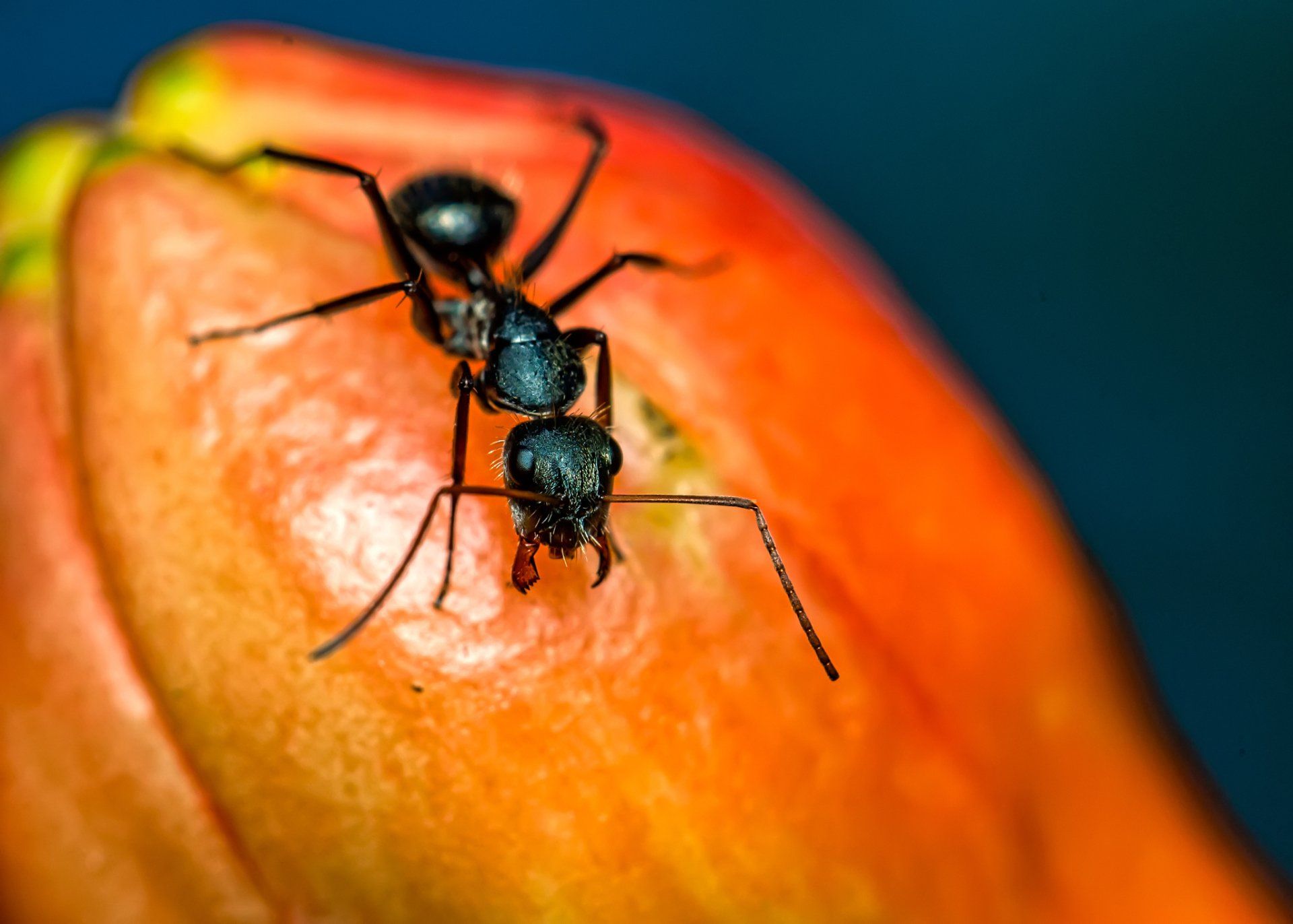
Adult bed bugs have an oval and flattened shape, resembling small brownish-red discs. They are about the size of an apple seed, measuring between 4-6mm in length. Their shed skins are lighter brown and appear as flaky exoskeletons.
These pesky insects have mouths specially adapted for piercing the skin and sucking blood. While they do not possess wings, they have six sturdy legs that allow them to crawl on most vertical surfaces.
The Bed Bug Life Cycle
The life cycle of a bed bug progresses through several stages: egg, several immature nymph stages, and finally, adulthood. This process, called incomplete metamorphosis, can span from 6 to 10 months. In contrast, other insects like fleas undergo complete metamorphosis, which includes four stages: egg, larva, pupa, and adult.
Bed bugs reproduce through a rather unsettling process called "traumatic insemination." The male bed bug stabs the female's abdomen and injects sperm into the wound. A female bed bug can lay anywhere from 200 to 500 eggs over a period of two months, usually in clusters of 10 to 50. These sticky eggs attach to furniture or fittings.
Bed bug eggs are elongated and whitish cream in colour. As they near hatching, they darken. The early stages of bed bugs, known as nymphs, are extremely tiny and can be challenging to spot without magnification.
Under favourable conditions, bed bug eggs can hatch in approximately a week, and the newly hatched nymphs go through five moulting stages before reaching maturity. Each malt requires a blood meal, and with an adequate supply of blood and favourable conditions, they can mature in as little as a month, producing multiple generations per year. The typical lifespan of a bed bug is around ten months.
How Do Bed Bugs Act?
Similar to other blood-sucking arthropods, bed bugs inject saliva while feeding, which contains anticoagulant properties. This can make their bites initially go unnoticed. When not feeding, a bed bug's proboscis or "feeding tube" is tucked under its body. After a meal, they can increase in length by up to 50% and in weight by 200%.
Bed bugs are attracted to the warmth and carbon dioxide emitted by a host and can quickly locate a suitable feeding site. They can remain inactive for weeks or months and "awaken" when they detect biological signatures like CO2. Bed bugs are nocturnal and tend to feed when people are asleep, as it is the safest time for them to obtain a meal without being disturbed. However, in heavily infested areas, they may become opportunistic and feed during the day if conditions are favourable. When startled, they move swiftly and emit an odour.
How Do I Know If I Have Bedbugs? What Are the Early Signs of a Bedbug Infestation?
Bed bugs can be tricky to detect as their bites are often mistaken for mosquito bites or allergic reactions. However, there are many signs that may indicate an infestation.
- Red and irritating bites, typically in rows on your neck, shoulders, back, legs, or arms
- Small clusters of reddish-brown spots or dark faecal spots that resemble ink dots. These are usually found on the bed frame, upholstery, or the underside of the mattress
- Small blood smears on the bed clothes or on your headboard
- Bed bug malt skins, pale-white eggs, and empty eggshells. These may be small but are still visible to the human eye
- The most obvious sign, although not always the first, is actually seeing the small brown insects themselves in and around your bed frame or sleeping area
It's important to note that bites alone do not necessarily mean you have a bed bug infestation. Look for these other signs and if you're unsure, it's best to call a pest professional like The Pest Master for assistance.