How do you get rid of bed bugs? How can I prevent bed bugs?
If you're dealing with bed bugs, it's crucial to take immediate action. It’s highly-recommended that you reach out to a professional pest control company, like us here at The Pest Master.
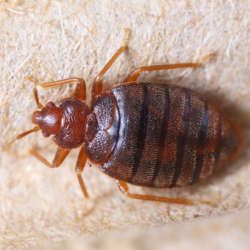
We have extensive experience and knowledge in the field, together with the right tools to be able to effectively handle bed bug infestations. Don't worry, many people face this issue and pest technicians receive numerous calls about bed bugs.
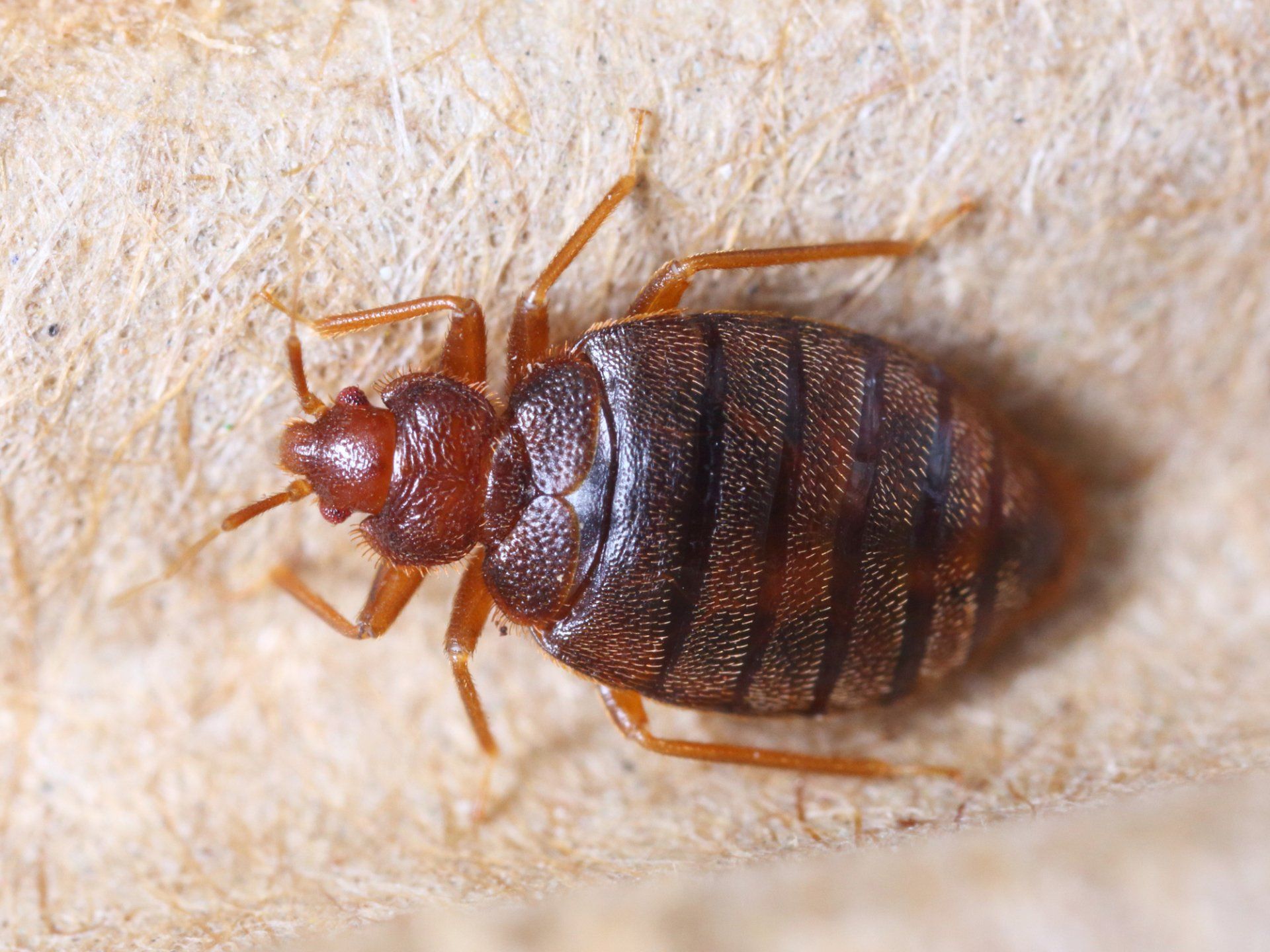
During a bed bug survey, a pest professional will thoroughly search for evidence of bed bugs, including: your bed frame, around the bed (such as the floor), mattress, headboard and bedside tables or drawers. Once the bed bug infestation is confirmed, a treatment can be carried out.
The treatment for bed bugs may involve a pesticide spray, steam treatment, fumigation or the use of a powder. After the treatment has been completed, it's important not to wash or hoover your carpets or floors for at least two weeks. This is because eggs and nymphs may still be going through life cycle stages, and the residual insecticide will continue to kill them. Cleaning your carpets and floor too soon will remove the insecticide and result in a failed treatment.
What can kill bed bugs? What won’t kill bed bugs? Can you treat bed bugs at home?
It’s difficult to prevent a bed bug infestation, however, there are steps you can take to reduce the chances of experiencing it: before staying in a new place or moving into new accommodation, thoroughly check for signs of bed bugs; pay close attention to the edges of the mattress and the headboard; avoid placing your luggage directly on the bed or furniture, as bed bugs can easily hitch a ride in your belongings; if you're considering second-hand furniture, make sure to inspect it thoroughly before bringing it home; regular housekeeping, such as vacuuming and washing your bedding, can also help minimise the risk.
There are many myths surrounding the question of what will kill bed bugs and what won’t. The most effective methods are heat treatments, steam and pesticides. Steam treatment is particularly safe as it is non-toxic. The high temperatures generated by the steam, up to 180°C, can eliminate all life stages of bed bugs in a matter of seconds. The specially heated hose, head and nozzle make it easy to reach even the most hidden parts and their hiding places.
It's important to note that simply hoovering your mattress or using UV light alone is not sufficient to get rid of bed bugs. UV light won't harm or kill bed bugs, although it can help you locate them. Bed bugs can easily spread, and simply using a vacuum cleaner won't solve the problem. In fact, if you hoover them up without changing the hoover bag or emptying a bagless vacuum out into the outside bin, you might inadvertently move them to other areas of your home.
Attempting to treat bed bugs at home with amateur DIY pesticides is most unlikely to be successful and comes with certain risks. Without knowledge of bed bugs, it's easy to fail to get rid of them. Moreover, using amateur DIY products can sometimes make matters worse, as bed bugs can migrate to other rooms or even neighbouring properties. It's best to rely on a trained professional who has the necessary expertise, access to professional products and specialised equipment, such as us here at The Pest Master.
If you happen to discover bed bugs and want to remove them from your luggage, clothing or bedding, there’s a few things you can do: wash everything at a hot temperature (at least 60°C) and follow this by tumble drying them on a hot setting for a minimum of 30 minutes. This can help eliminate the bed bugs and their eggs.
Remember, dealing with an infestation can be really difficult, but employing the help of professionals, together with a proactive approach, can successfully rid these pests from your home.