How to Spot an Active Wasp Nest & What to do About it
How to Spot an Active Wasp Nest & What to do About it

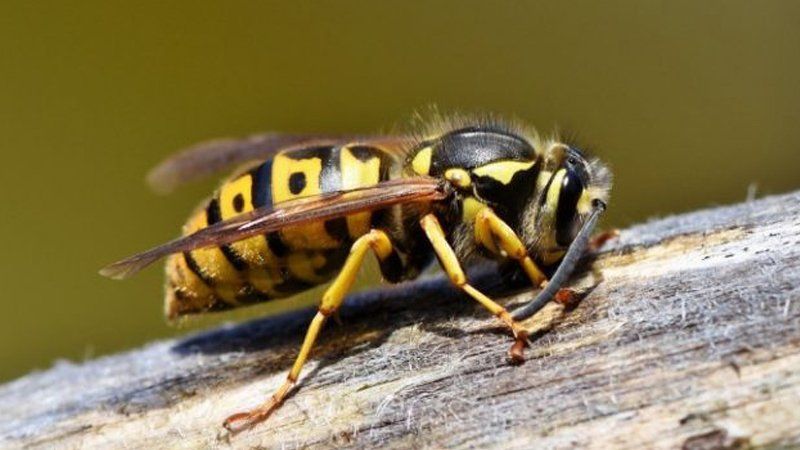
The warm, sunny weather provides the ideal environmental conditions for wasps to build their nests. There’s generally a sharp increase in the number of active wasps found throughout the summer season, usually in June or July, weather permitting. Depending on when the queen wasp has completed her hibernation, wasps can build their nests earlier, in the spring, or later, mid-summer.
Either way, finding a wasp nest on your property, no matter where it is, is highly-inconvenient and often dangerous - wasps can become aggressive towards the end of the summer as they fight to protect their nest. That’s why it’s important that you understand what a wasp nest looks like, the signs of an active one and what you can do to rectify the
wasp nest problem - that’s where The Pest Master comes in.
What do wasp nests look like?
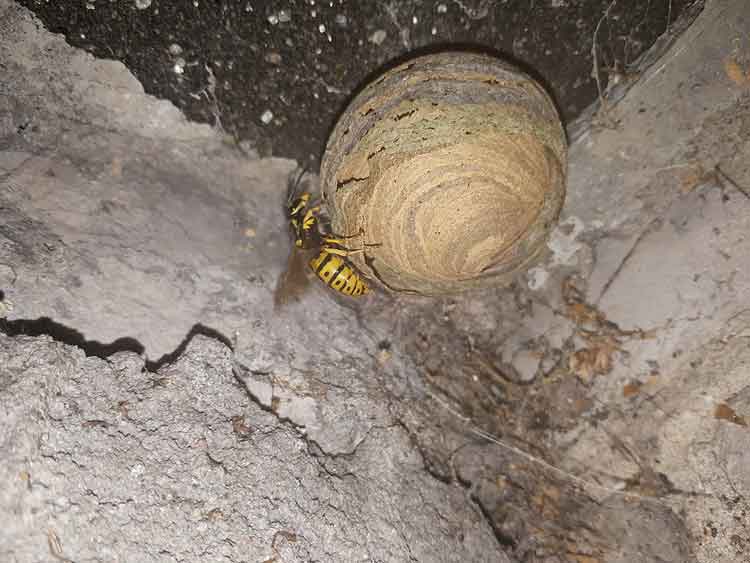
Wasp nests are usually light brown and have a somewhat papery, delicate appearance. They’ll often look like they’ve been made from tiny pieces of timber and other woody materials as the nest builds up over time.
During late spring and early summer, the nests will be relatively small, around the size of a tennis ball in most cases. Although you won’t get the opportunity, in most cases, to look inside a wasp nest, the interior is made of small chambers where the queen will lay her eggs. These eggs will develop into larvae, which will eventually grow into adults, thus creating a pest problem.
As the number of wasps inside grows, the nest will become far more established and it’ll often increase in size, dramatically. It’s at this stage where requests to come and remove wasps nests come in, although it can be much more effective to provide wasp nest treatment as opposed to complete wasp nest removal.
The signs of an active wasp nest
There aren’t too many signs to look out for when it comes to identifying an active wasp nest, but the major observation is seeing a large number of wasps flying to and/or from the nest. Noise is something else you should listen out for, such as excessive buzzing or rustling. This would then be the time to call The Pest Master as we can arrange an effective, fast wasp nest removal solution.
In most cases, this will involve treating the wasp nest as opposed to removing it completely and it’ll be done professionally and efficiently by our highly-skilled, fully-trained team of specialists. It might involve a number of treatment courses, but it’s extremely effective at rectifying the problem promptly.
It’s important to note, however, that if you find a large wasp nest during the spring or early in the summer, it’s unlikely to be active. Wasps won’t return to old nests from previous seasons, so those shells can simply be removed by our friendly team of experts.
What should I do if I find a wasp nest?
It’s important that you call a professional to inspect the issue, identify that the nest is active and then deal with it accordingly, such as carrying out wasp nest treatments or, in some cases, wasp nest removals. The Pest Master will be able to provide you with a thorough, meticulous service that’s guaranteed to resolve the issue, whether the nest has been built on domestic or commercial property.
Although, you must never attempt to remove or carry out wasp extermination yourself as this can be extremely dangerous, especially if they’re already acting aggressively. They’ll only become more volatile if you start to interfere or enter their space. Our team will have all of the appropriate equipment and protective clothing needed to resolve the problem, so leave it to us to sort it all for you.
For more information about wasp nest treatments or
wasp nest removals in Derby, whether you need to have a wasp nest removed from domestic or
commercial property,
get in touch
with a member of our knowledgeable, specialist team today - we’re always on hand to help, whenever you need us.