Facts About Wasps
During the summer months, wasp nests are highly active, with the queen producing hundreds of eggs per day while thousands of adults work to feed the grubs and continue building the nest. The eggs hatch in just 5-8 days and develop into larvae which grow for 12-25 days before transforming into pupae. Within 3-5 days, the pupae become adults, resulting in a rapid lifecycle. Adult wasps can survive for just a few weeks or up to a year for queens. The high level of activity within a wasp nest during the summer months highlights the importance of the queen in producing a large number of eggs, enabling the nest to thrive and grow quickly.
Wasps are members of the Hymenoptera order, which also includes bees and ants. Wasps are carnivorous and feed on other insects, spiders and small animals. Adult wasps also feed on sweet substances such as fruit and sugary drinks.
Lifecycle of a nest.
A single queen is all it takes to build a nest for her colony. She begins by creating internal cells and producing the first set of workers who will eventually take over the foraging tasks. This allows the queen to focus solely on laying eggs, producing hundreds each day. As the population grows, the rate of growth eventually slows down until the nest reaches a climax where growth stops altogether. At this point, the colony builds new queen cells in preparation for the next stage of their lifecycle.
Once the new queen cells are built, the queen begins to produce queen larvae while the worker foraging rate increases. However, the queen's health starts to decline and she may even die, leading to the breakdown of the colony within the nest. The wasps become erratic and start to consume each other, marking the end of the current cycle.
The young queens then leave the nest, mate, and hibernate until the next spring when the lifecycle of a new nest begins again. The process of building a new nest and establishing a colony is repeated, starting with a single queen and eventually reaching a climax before the cycle begins again.
This lifecycle of a wasp nest highlights the importance of the queen in building and maintaining the colony. Once the queen's role is fulfilled, the colony must prepare for the next stage by building new queen cells and allowing the young queens to mate and hibernate. The wasp nest lifecycle is an intricate process that ensures the survival of the colony and the continuation of the species.
Traits of wasps.
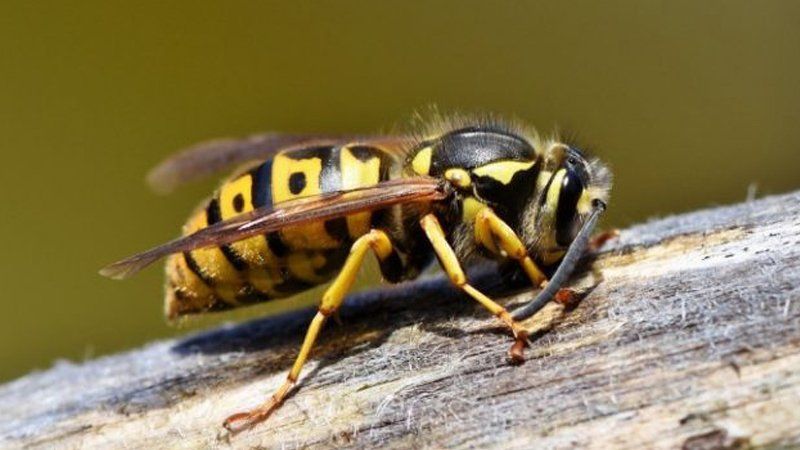
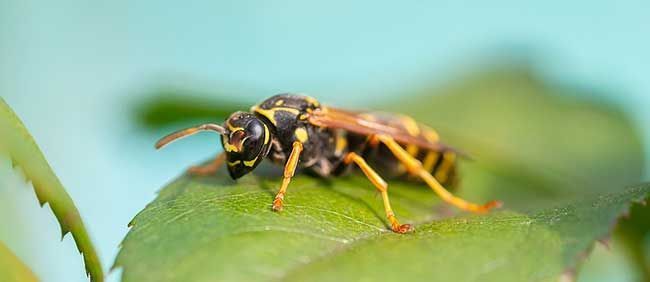
In the UK the two most likely types of wasps you will encounter are the common wasp (Vespula vulgaris) and German Wasps (Vespula germanica). Both species are striped black and yellow and can produce painful stings if threatened.
A queen wasp is usually bigger than normal wasps. She can be around 20mm long. Over the winter she will hibernate and then emerge in the spring to make her nest. Her grubs are fed on insects which helps them to grow into workers taking around 3-4 weeks.
Worker wasps which are sterile females will go in search for food. They can go as far as a mile away to do this. Towards the end of the year when it starts to get colder, food sources start to perish, wasps start to die quickly from starvation and even the cold.
Control of wasps
It is essential to employ pest control to carry out a wasp nest treatment when you detect a nest in your home or business, mainly due to the threat they pose to humans and pets. Individuals who suffer allergic reactions to wasp stings are at a high risk, and if left untreated, the nest can grow rapidly, making it more difficult and dangerous to treat.
The presence of wasps can significantly impact your business, outdoor spaces, activities, and events. It is highly recommended that you never attempt to tackle a wasp nest yourself as it can be dangerous. In most cases, a wasp nest treatment is all that is required, and the removal of the nest is not necessary. However, if the nest is accessible, it can be removed a week or so after the treatment, provided it is entirely dead. During the winter and spring months, if you discover a nest of any size, such as in your loft, it is highly likely that the nest is redundant and will not be inhabited by wasps. Wasps will never use the same nest twice, so it is safe to assume that the nest is inactive.
Always seek the advice from a professional such as The Pest Master. Someone who is skilled, has the knowledge and the specialist equipment should always be the one to carry out a wasp nest treatment, contact us today.